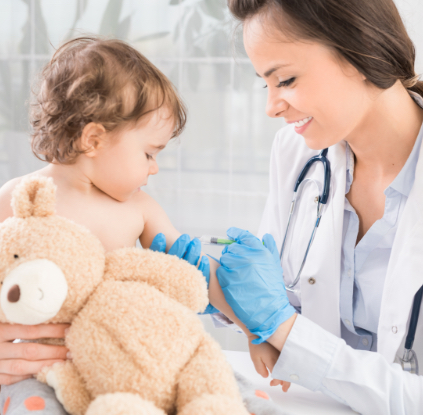
RSV vaccine for pregnant women and RSV immunisation for infants If your child is under 8months old, they can have a free Vaccine (Beyfortus) – Please call the clinic to book on 0398028155In early 2025, the Australian Government started a free immunisation program to protect babies from RSV. The ‘RSV Mother and Infant Protection Program’ includes vaccines for pregnant women and babies who are at a higher risk of severe RSV. Vaccine for pregnant women Under the National Immunisation Program, pregnant women can now get the maternal RSV vaccine ‘Abrysvo®’ for free. The vaccine is recommended for women from 28 weeks of pregnancy to protect their newborn from RSV. It can safely be given at the same time as the free maternal vaccines for influenza and whooping cough.Research shows that RSV vaccines in pregnancy reduce the risk of severe RSV disease in babies under 6 months of age by about 70%. Immunisation for infants In Victoria from 1 April to 30 September 2025, an RSV monoclonal antibody immunisation called ‘Beyfortus™’ will be offered to protect babies and young children under eight months old who are most at risk of a serious RSV infection, like bronchiolitis. The medicine sticks to the RSV virus and stops it from entering cells in the body. It is given as an injection. Most infants will only need protection from the maternal vaccine or monoclonal antibody immunisation. Infants at a higher risk of severe RSV will also be offered a Beyfortus™ dose in their first or second RSV season. Read the program information or visit the Melbourne Vaccine Education Centre (MVEC) website for more information on whether your baby should have an RSV immunisation. If you have questions, it is also a good idea to speak to your doctor. Common questions about RSV In Victoria from 1 April to 30 September 2025, an RSV monoclonal antibody immunisation called ‘Beyfortus™’ will be offered to protect babies and young children under eight months old who are most at risk of a serious RSV infection, like bronchiolitis. The medicine sticks to the RSV virus and stops it from entering cells in the body. It is given as an injection. How long does RSV last? In most cases, an RSV infection like the common cold lasts one to two weeks. Your child may take longer to recover if they have an existing condition like asthma. Can adults get RSV? Adults can get an RSV infection, just like children. Most adults with an RSV infection get a cold with symptoms like a runny nose, cough, wheeze, trouble breathing, or fever. People over 65 years old are at a higher risk of getting very sick from RSV. My child has a cold; do I need to test them for RSV? If your child has a cold, it can be hard to tell which virus they have. There are tests available from pharmacies that check for RSV; a doctor can also do a nose or throat swab called a PCR test. However, it does not really matter whether your child has RSV or another virus because treatment for all colds is the same – plenty of rest and fluids. Antibiotics do not work on viruses. (Article from RCH Melbourne in multiple languages LINK)